Glaçage royal au jus de citron : le secret pour casser l’excès de sucre de vos gâteaux
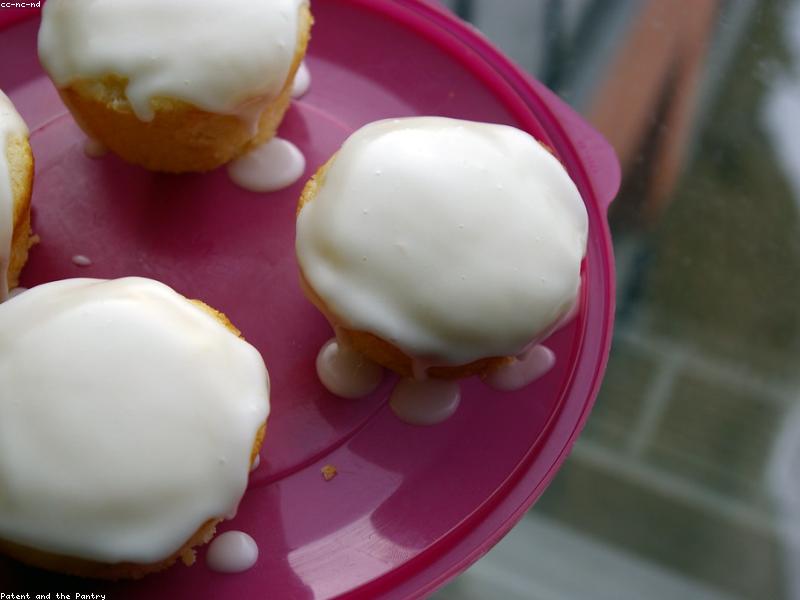
Le glaçage royal (mélange de blanc d’œuf et de sucre glace) est le décor classique utilisé pour napper les éclairs, décorer les biscuits de Noël ou glacer les gâteaux de mariage. Très esthétique et offrant une texture croquante après séchage, il souffre cependant d’un défaut majeur : son goût est souvent perçu comme excessivement sucré, voire écœurant. L’intégration de jus de citron est le secret des pâtissiers pour équilibrer ce décor. Comment le jus de citron agit-il chimiquement sur le sucre et le blanc d’œuf ?
Réponse rapide : Ajouter du jus de citron dans le glaçage royal (quelques gouttes à la place de l’eau) permet de casser le goût excessivement sucré grâce à l’acidité de l’acide citrique. De plus, l’acide blanchit naturellement le glaçage en réagissant avec les protéines du blanc d’œuf et accélère la prise et le séchage en facilitant la cristallisation du sucre. C’est l’ingrédient secret pour des décors fins et savoureux.
L’explication scientifique : Inversion du saccharose, dénaturation des protéines et blanchiment
Le glaçage royal est un système biphasique où de minuscules cristaux de sucre glace sont suspendus dans un film mince de protéines d’œuf hydratées. L’ajout de jus de citron initie plusieurs réactions chimiques clés : 1. **L’inversion du saccharose** : Sous l’effet combiné de l’acide citrique (pH bas) et de l’humidité du blanc d’œuf, une fraction du saccharose (sucre de table) est hydrolysée en ses deux monomères : le glucose et le fructose. Ce mélange de sucre inverti empêche la formation de gros cristaux de sucre pendant le séchage, ce qui permet d’obtenir un glaçage à la texture lisse, satinée et moins cassante sous la dent. 2. **Le blanchiment et la viscosité** : Le blanc d’œuf contient de l’ovalbumine. L’acide citrique abaisse le pH, modifiant la structure tridimensionnelle des protéines qui se dénaturent partiellement et s’agrègent en formant un réseau plus serré et visqueux. Ce réseau emprisonne l’air incorporé lors du mélange, ce qui augmente la diffraction de la lumière et donne au glaçage une couleur blanche comme neige éclatante, sans avoir recours à des colorants (comme le dioxyde de titane).
Retour d’expérience : Mes décors de sablés de Noël
Chaque année, je prépare des dizaines de sablés décorés pour ma famille. Autrefois, mon glaçage royal (blanc d’œuf + sucre glace uniquement) était difficile à travailler car il séchait trop lentement et avait un goût fade et trop sucré. Depuis que j’y ajoute 5 ml de jus de citron frais filtré, la préparation est transfigurée. Le glaçage est d’un blanc pur magnifique, il s’écoule parfaitement de la poche à douille sans couler sur les côtés du biscuit, et il sèche deux fois plus vite. Gustativement, la légère pointe d’acidité apporte une fraîcheur qui contrebalance parfaitement le sucre glace, rendant les sablés légers et addictifs.
Conclusion
Le jus de citron est l’additif physique et gustatif parfait pour le glaçage royal. Il améliore la blancheur, stabilise la texture lors de l’application et apporte l’équilibre acide indispensable pour flatter le palais.