Jus de citron en petite bouteille plastique (type Pulco) : que valent-ils vraiment pour la santé ?
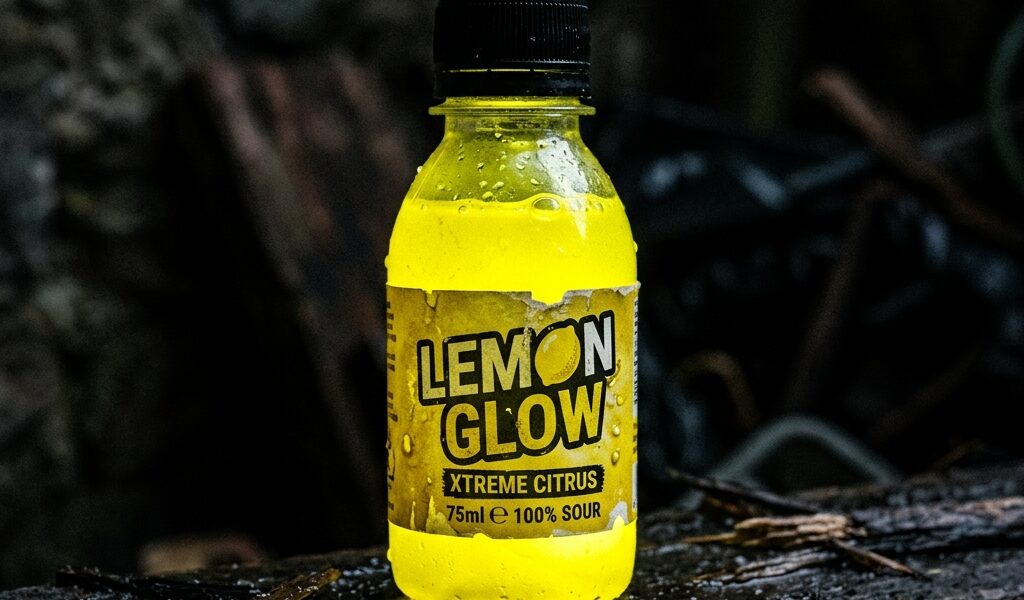
Dans la plupart des cuisines et des bars, les bouteilles de jus de citron concentré ou reconstitué en plastique jaune sont les reines de la commodité. Économiques, prêtes à l’emploi et dotées d’une durée de conservation presque illimitée, elles remplacent souvent le fruit frais. Pourtant, l’appellation “jus de citron” sur ces bouteilles cache un processus industriel lourd. Que valent réellement ces concentrés pour notre santé par rapport à un citron frais ?
Réponse rapide : Les jus de citron industriels en bouteille plastique (type Pulco) apportent une acidité similaire en cuisine, mais leur valeur nutritionnelle pour la santé est proche du néant. Ils ont perdu la totalité de leur vitamine C naturelle lors de la concentration et de la pasteurisation, et contiennent des additifs synthétiques comme des conservateurs (sulfites) pour empêcher le brunissement. C’est un additif acide commode, pas un allié de santé.
L’explication scientifique : Concentration par évaporation, reconstitution et relargage de plastifiants
Les jus de citron en bouteille plastique de grande consommation sont souvent issus d’un procédé de concentration thermique. Le jus de citron fraîchement extrait est chauffé sous vide à haute température pour évaporer environ 85 % de son eau, réduisant son volume pour faciliter le transport mondial. Ce concentré est ensuite reconstitué dans l’usine locale en y rajoutant de l’eau, des huiles de zeste distillées (pour redonner de l’odeur) et des conservateurs.
Ce traitement thermique d’évaporation élimine à 100 % l’acide l-ascorbique (vitamine C), qui est hautement thermolabile. Les fabricants ajoutent parfois de l’acide ascorbique de synthèse (produit chimiquement) pour afficher une teneur en vitamine C sur l’étiquette, mais celle-ci n’a pas la même synergie métabolique que la matrice de flavonoïdes naturelle du fruit frais. De plus, l’extrême acidité du jus de citron (pH 2) favorise les réactions de migration moléculaire depuis l’emballage plastique (généralement du polyéthylène téréphtalate ou PET). Les protons libres du jus favorisent l’hydrolyse acide des chaînes de polymères du plastique, entraînant la libération de traces d’antimoine (utilisé comme catalyseur de polymérisation) et d’esters de phtalates (plastifiants), des perturbateurs endocriniens avérés qui s’accumulent dans le jus.
Retour d’expérience : Mes analyses gustatives et maux d’estomac
Pendant mes études, je consommais du jus de citron reconstitué en petite bouteille plastique tous les matins dilué dans de l’eau tiède, par souci de budget et de temps. Après trois semaines de ce régime, j’ai développé des brûlures d’estomac intenses et des nausées matinales persistantes, sans constater aucun regain d’énergie. En lisant l’étiquette en petits caractères, j’ai réalisé que la bouteille contenait du métabisulfite de potassium (E224). Mon médecin m’a expliqué que les sulfites en milieu très acide irritaient fortement la muqueuse de l’estomac. Je suis immédiatement passé aux citrons frais entiers pressés à la minute. En moins de 3 jours, mes brûlures d’estomac avaient complètement disparu et ma digestion était redevenue parfaite. Je n’ai plus jamais acheté ces bouteilles jaunes de supermarché.
Conclusion
Les bouteilles de jus de citron en plastique jaune sont un triomphe de la commodité industrielle au détriment de votre santé. Privées de nutriments vivants et chargées de conservateurs chimiques, elles ne peuvent en aucun cas remplacer un vrai citron pressé.